Drainage Clearance • Brooklyn, NY
Drain Cleaning in Downtown Brooklyn, Brooklyn
Slow drainage, foul sewer odors, and stubborn waste line stoppages create severe sanitary risks in residential apartments and commercial properties. We deliver expert drain cleaning in Downtown Brooklyn, Brooklyn, clearing dense blockages, restoring full pipe diameter, and inspecting internal waste lines to prevent chronic backups.
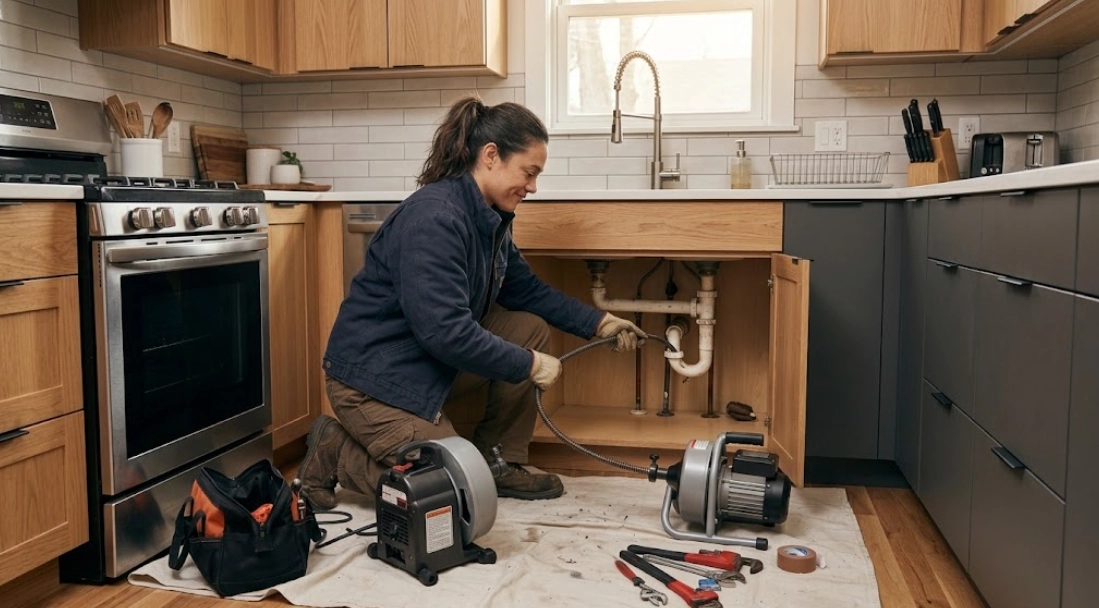
Precision Clearing for Slow and Blocked Waste Lines
Plumbing drainage infrastructure in Downtown Brooklyn carries high volumes of wastewater through diverse building configurations. From high-rise residential towers near MetroTech to renovated post-industrial lofts along DUMBO and multi-family brownstones in Boerum Hill, waste lines must handle continuous kitchen grease, soap scum, hair accumulation, and mineral scale.
When a sink or shower begins draining sluggishly, it is often a precursor to a complete sewer line stoppage. Prompt clogged drain repair Downtown Brooklyn Brooklyn eliminates standing water before wastewater overflows or forces its way through aged slip joints into wall chases and lower-floor ceiling cavities.
Urgent Backup Alert
If wastewater backs up simultaneously into multiple fixtures or emerges from floor drains when upstairs fixtures are flushed, stop water use immediately to prevent contamination. Call our emergency response team directly at (315) 202-8009.
Comprehensive Drain Clearing Solutions
Different drain lines require customized clearing techniques depending on pipe material, diameter, and the specific composition of the blockage:
Kitchen Sink & Branch Lines
Kitchen waste lines regularly accumulate coagulated cooking grease, dishwashing detergent residues, and food solids. Our specialized kitchen sink drain cleaning Downtown Brooklyn Brooklyn service utilizes targeted mechanical rodding to clear traps and vertical drop connections without damaging lightweight under-sink assemblies.
Bathroom Fixtures & Main Drops
Lavatory basins, shower drains, and toilet branch lines suffer from binder deposits, hair tangles, and hygiene product obstructions. We clear fixture traps and snake secondary branches to eliminate slow drainage and gurgling sounds.
High-Pressure Hydro Jetting
For heavy grease buildup in restaurant kitchens or commercial residential stacks, hydro jetting utilizes calibrated water streams up to 4,000 PSI to scrub pipe walls clean. We evaluate older cast-iron lines beforehand to ensure the piping can safely handle pressure washing.
High-Definition Camera Inspection
When clogs recur frequently in the same location, fiber-optic sewer cameras are fed through cleanouts to inspect the interior of the line. This reveals hidden fractures, sagging pipes, heavy rust scaling, or root intrusion without invasive digging.
Common Causes of Drainage Stoppages in Brooklyn Properties
Understanding why drains fail helps property managers and homeowners implement effective preventative measures:
- Cast-Iron Tuberculation: Older cast iron develops internal rust mounds (tubercules) that snag toilet tissue and solids, gradually restricting wastewater capacity.
- Kitchen Fats and Oils: Liquid grease hardens as it cools inside subterranean waste lines, forming impenetrable blockages that standard plunger action cannot dislodge.
- Improper Venting: Obstructed plumbing roof vent stacks create negative air pressure within the drainage system, slowing water flow and siphoning water out of fixture traps.
- Concealed Pipe Misalignments: Building settling near subway lines or construction zones can shift buried building drains, creating low spots (bellies) where sludge settles.
Mechanical Snaking vs. Hydro Jetting: Choosing the Right Method
Restoring drainage flow requires matching the correct mechanical method to the piping condition. Cable machines (mechanical snaking) use hardened steel cutting heads to bore through solid obstructions, such as tree roots or toilet blockages. Snaking creates an immediate path for water to flow, making it ideal for routine emergencies.
However, snaking primarily punches a channel through a blockage; it does not scrub the pipe walls. For grease-heavy commercial lines or chronic scale in aging buildings, hydro jetting washes away grease, silt, and sludge across 360 degrees of the pipe circumference. Prior to any high-pressure application, our technicians assess pipe age and wall integrity to protect vintage plumbing from accidental damage.
When Drain Backups Lead to Structural Water Leaks
Drain clogs do not simply cause surface inconveniences; severe stoppages generate hydrostatic pressure inside vertical soil stacks and branch lines. If older lead bends, cast-iron hub joints, or threaded galvanized waste pipes have weakened over time, backed-up sewage can seep into floor joists and ceiling plenums.
If a drain backup has coincided with ceiling stains or damp drywall, consult our dedicated leak detection in Downtown Brooklyn diagnostic service to verify whether waste or supply piping has suffered concealed damage. When pipes are fractured beyond clearing, we offer seamless pipe leak repair and full repiping solutions. For commercial facilities with hazardous cross-connections, explore our certified backflow testing procedures.
Preventative Maintenance Advice for Residents
Never dispose of cooking oils, coffee grounds, fibrous food waste, or flushable wipes down residential drains. Installing stainless steel mesh strainers in kitchen basins and shower tubs catches the vast majority of debris before it enters inaccessible branch lines.
Frequently Asked Questions About Drain Cleaning
Many residential buildings in Downtown Brooklyn feature aging cast-iron waste lines that have accumulated decades of internal rust scaling, grease deposits, and soap calcification. These rough internal surfaces catch debris easily, causing chronic blockages until mechanically descaled or hydro-jetted.
Snaking punches an initial relief hole through a clog to restore flow, but hydro jetting scours the full circumference of the pipe walls with high-pressure water, removing grease layers and sediment. However, hydro jetting is only performed after assessing pipe structural stability, as fragile deteriorated cast iron may require gentle mechanical rodding.
Yes. Caustic chemical drain cleaners generate intense heat through exothermic reactions, which can soften PVC pipe joints, corrode older brass traps, and eat away fragile cast iron. Furthermore, standing chemicals pose severe chemical burn hazards to technicians during subsequent physical snaking.
Severe drain stoppages cause water to back up and exert pressure on slip joints, cleanout plugs, and older hub gaskets. If waste pipe joints are weakened, this backup can escape into ceiling cavities or wall chases, causing hidden leaks that mimic freshwater pipe failures.